

About
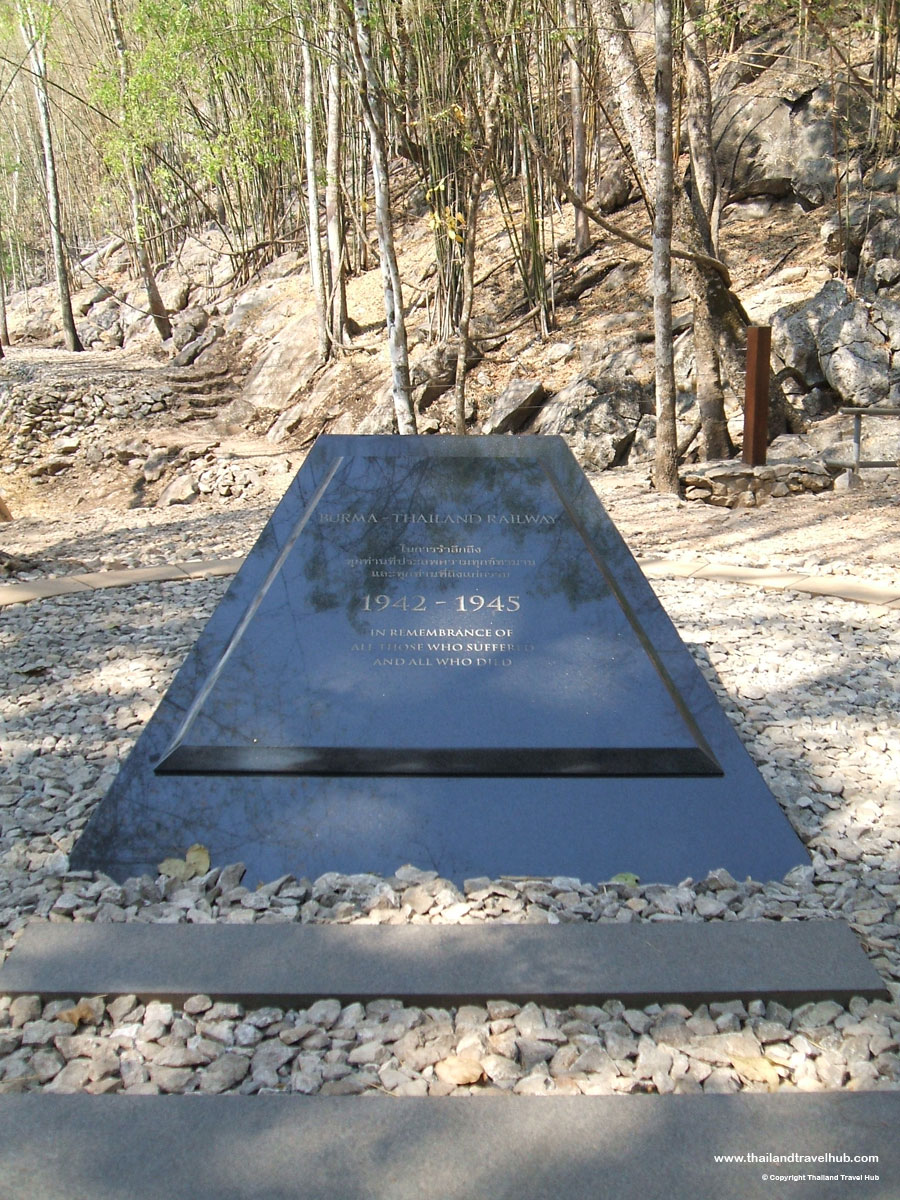
Hellfire Pass is a preserved railway cutting and memorial site in Sai Yok, Kanchanaburi, approximately 80 kilometres from Kanchanaburi city centre. It formed part of the Burma–Thailand Railway, often called the Death Railway, built during the Second World War by Allied prisoners of war and Asian civilian labourers known as rōmusha under Japanese control. Today, the Hellfire Pass Interpretive Centre and memorial walking trail combine historical exhibits and personal accounts with access to the original railway formation through the forest. It is a sombre place, and one of Kanchanaburi’s most worthwhile historical visits for travellers wanting to understand the human cost of the railway beyond the better-known sites in town.
What to Expect
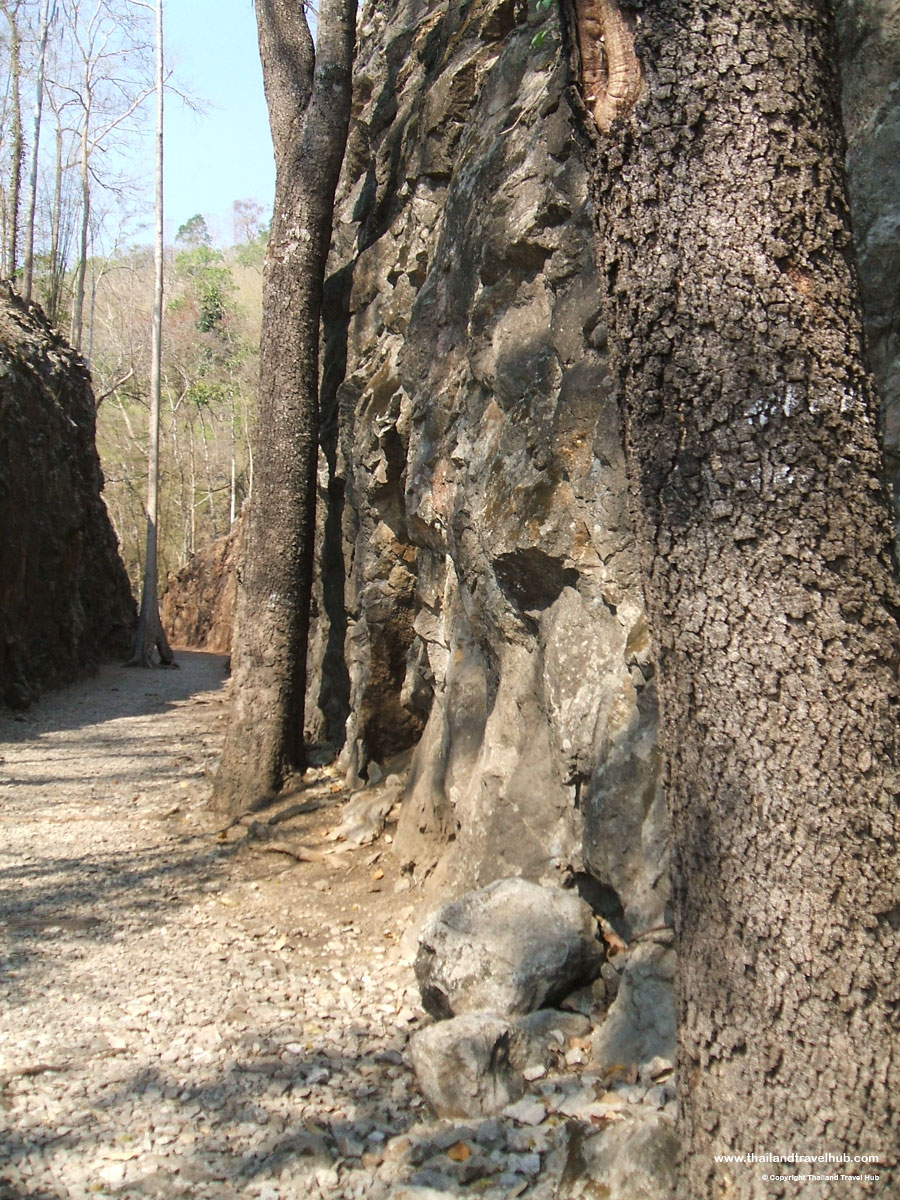
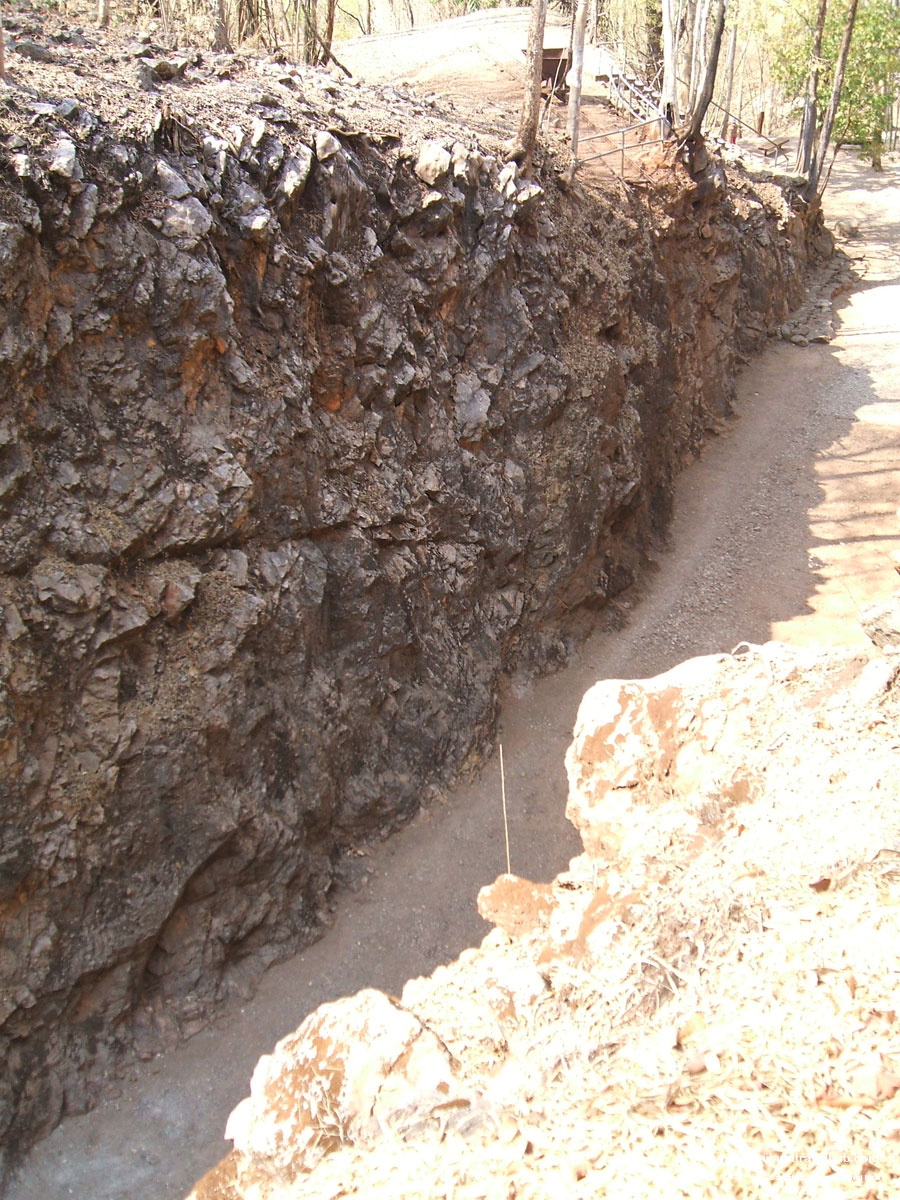
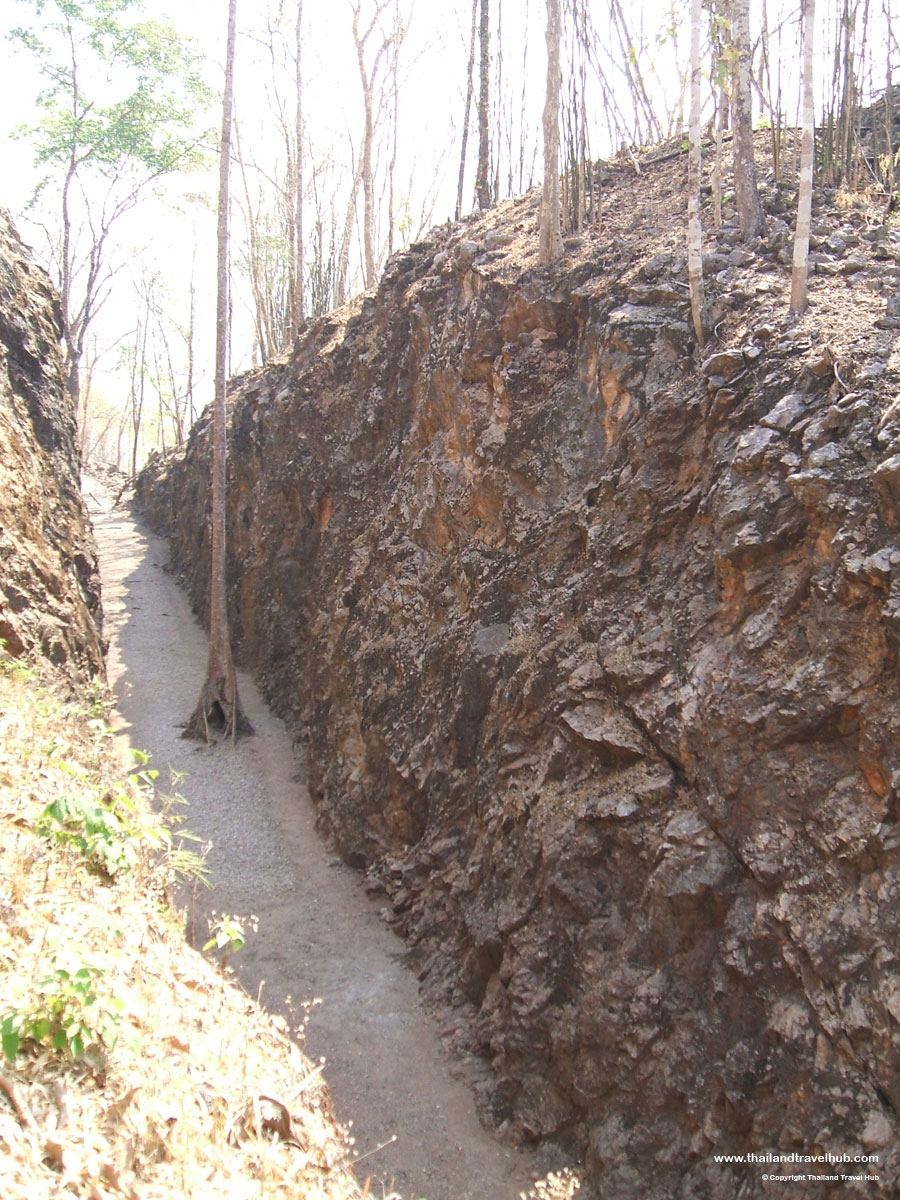
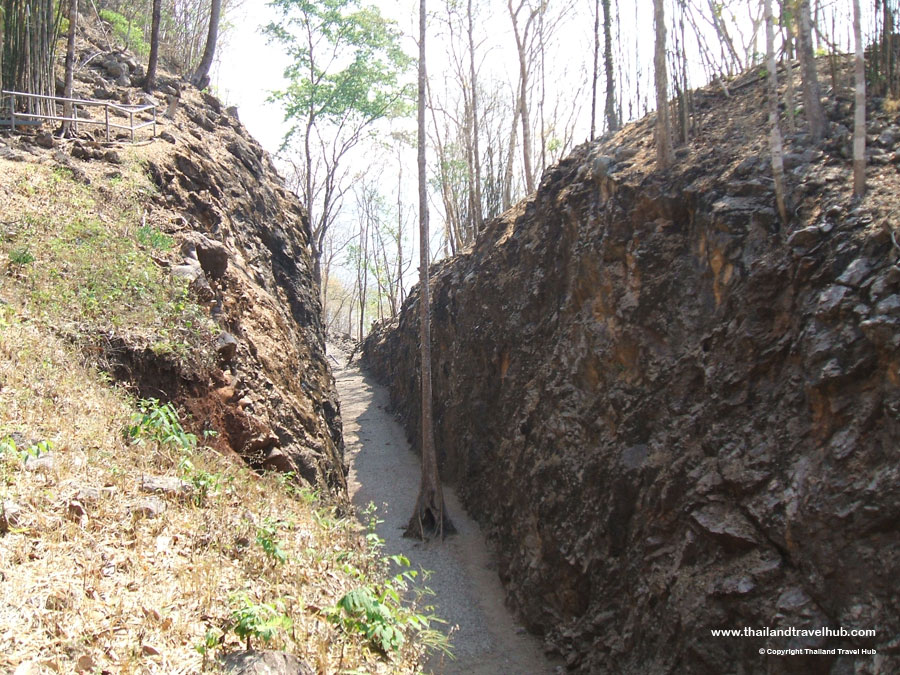
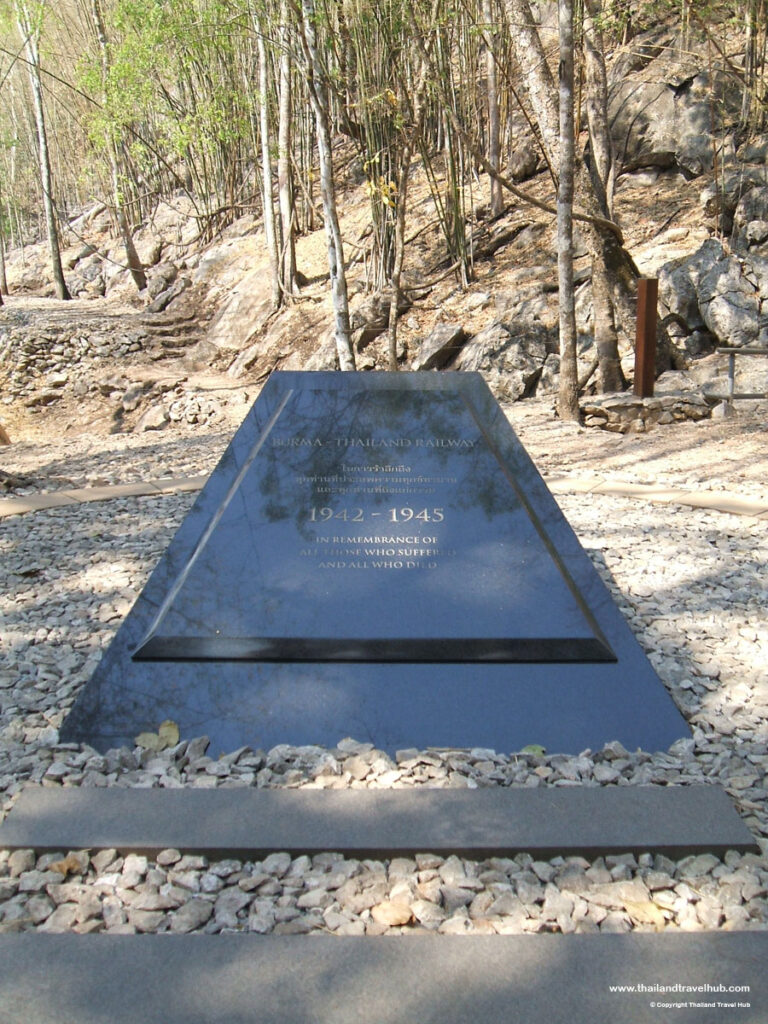
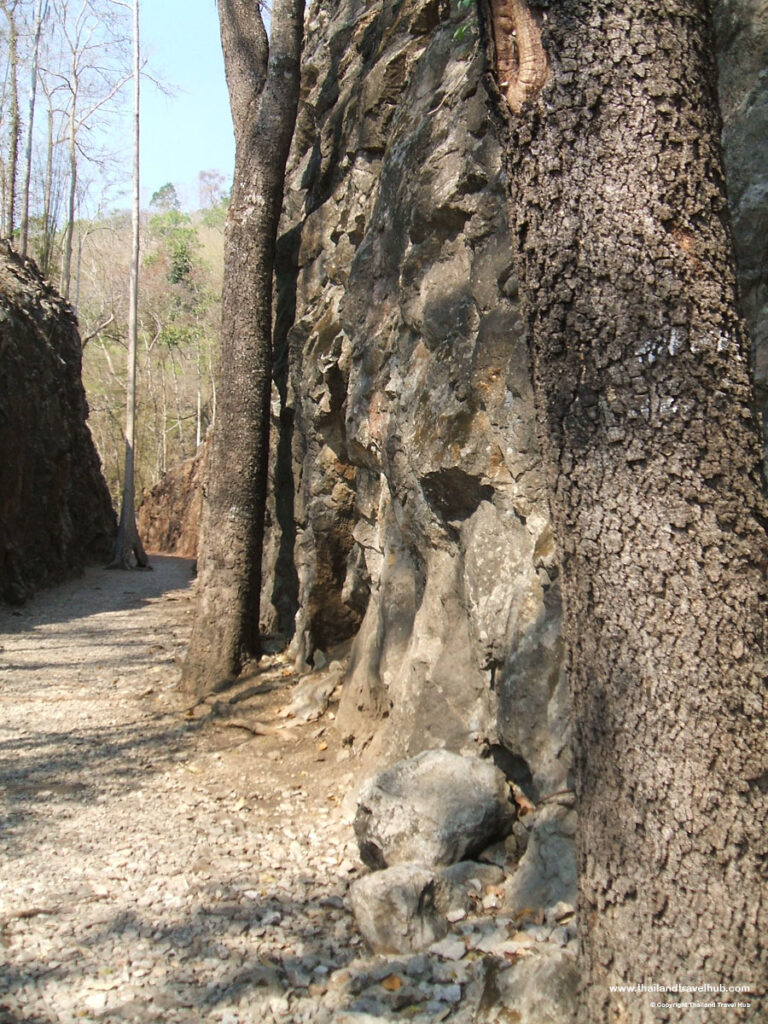
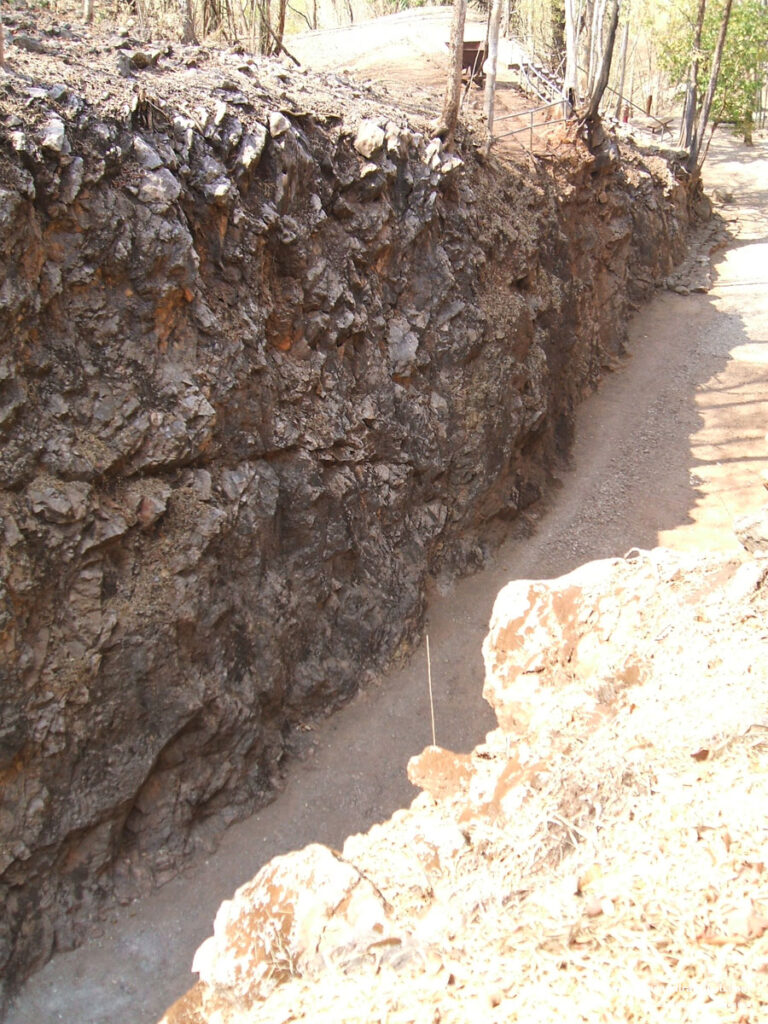
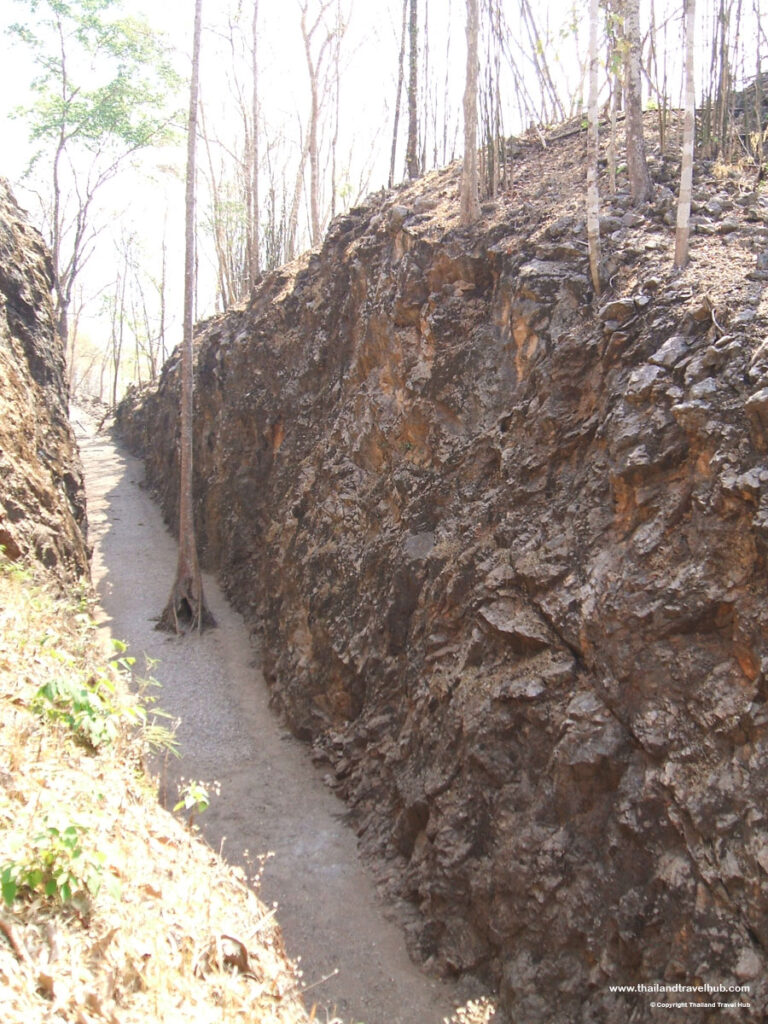
The visit begins at the interpretive centre, where photographs, historical material and personal accounts explain the construction of the railway and the experiences of those forced to work on it. From the centre, the trail descends to Konyu Cutting — Hellfire Pass itself — where the railway route was cut through solid rock. A free audio guide includes survivor accounts that can be listened to while walking through the site, adding important context to the landscape and surviving railway formation.
Why Visit
- Walk through an original section of the Burma–Thailand Railway rather than experiencing its history solely through museum exhibits.
- See Konyu Cutting, where prisoners of war and rōmusha worked in extremely harsh conditions to excavate a route through the rock.
- Listen to survivor accounts while following the former railway formation through the forest.
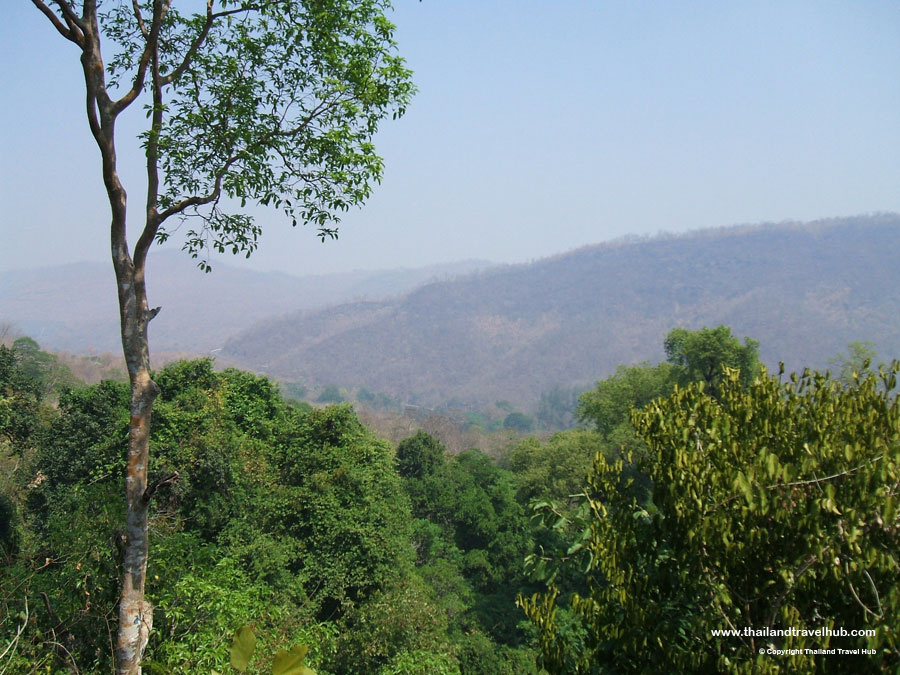
- Continue beyond the main memorial on a longer trail through the difficult terrain crossed by the railway.
- Gain a clearer understanding of the railway’s human cost and why Hellfire Pass remains an important place of remembrance.
How to Get There
Hellfire Pass is at 207 Moo 11, Tha Sao, Sai Yok District, approximately 80 kilometres from Kanchanaburi city centre. Driving, taking a taxi or arranging a private driver are the simplest options, with the road journey taking around one hour in normal conditions. There are three parking areas at the site with space for more than 90 vehicles, as well as designated motorcycle parking.
Public red buses also travel along Highway 323 between the Sai Yok area and Kanchanaburi, with services running approximately hourly rather than to a precise timetable. The journey is around 1.5 hours and costs approximately 60 baht. Nam Tok is the nearest railway station, roughly 20 kilometres from Hellfire Pass; the railway does not continue to the memorial site itself. Public transport timings can change, so allow plenty of time for the return journey rather than relying on the final service of the day.
Where to Stay Nearby
Where you stay makes a noticeable difference when visiting Hellfire Pass. Sai Yok is the practical choice for reducing travel time, while Kanchanaburi town works better if the pass forms part of a wider visit to the province’s Second World War sites.
Sai Yok / Tha Sao
The most convenient area for an early visit to Hellfire Pass and for exploring the Kwai Noi valley. Staying here avoids making the full journey from Kanchanaburi town in both directions on the same day.
Kanchanaburi Town
A practical base if Hellfire Pass is one part of a broader Kanchanaburi itinerary. There are more transport options in town, although you will need to allow for the substantial journey west to Sai Yok.
Kwai Noi Valley
Accommodation is scattered along the river and surrounding countryside between Kanchanaburi and western Sai Yok. This can be a useful middle ground for travellers spending several days exploring the area rather than concentrating solely on Kanchanaburi town.
Good to Know
- Opening hours: 09:00–16:00 daily, with scheduled annual closures. These include 1 January, 13–15 April, an annual three-week maintenance period in May, 5 December, 24–27 December and 31 December. The exact May closure dates vary by year.
- Entrance fee: Admission to the Hellfire Pass Interpretive Centre and memorial walking trail is free for all visitors. Donation boxes are available inside the centre.
- Audio guide: Audio tours are available free of charge in Thai, English and Dutch until 15:00. An identification document, such as a driving licence or passport, is required as a refundable deposit for the device.
- Walking: The shorter route from the centre to the memorial at Konyu Cutting is approximately 485 metres and takes around 40–50 minutes for the return visit. The longer route runs 2.6 kilometres from the centre to Hintok Road, making the full out-and-back walk approximately 5.2 kilometres and taking up to three hours.
- Trail conditions: Wear sturdy, covered shoes and carry drinking water. The longer trail includes steep climbs and descents, uneven ground and limited shelter, while running water can make sections hazardous during the wet season. Visitors taking the longer route are required to carry a safety radio provided by the centre.
- Accessibility: A free golf buggy service to the Hellfire Pass cutting is available for elderly visitors and people with health issues or physical limitations, along with one accompanying person. Ask at reception about using the service.
TTH Tip
Spend time in the interpretive centre and listen to some of the personal accounts before descending to the cutting. If you mainly want to see Hellfire Pass itself, the shorter 40–50 minute return walk reaches the principal memorial without requiring the much more demanding full trail.
FAQs
Is Hellfire Pass free to visit?
Yes. Admission to the Hellfire Pass Interpretive Centre and memorial walking trail is free, with voluntary donation boxes inside the centre.
What are the Hellfire Pass opening times?
The interpretive centre and walking trail are open from 09:00 to 16:00, subject to scheduled annual closures. If visiting during May or around major holiday periods, check the current closure dates before travelling.
Do you have to walk the full Hellfire Pass trail?
No. The main memorial at Konyu Cutting is approximately 485 metres from the interpretive centre, with the return visit taking around 40–50 minutes. The longer route to Hintok Road is 2.6 kilometres each way and can take up to three hours for the full return walk.
What should I wear at Hellfire Pass?
There is no temple-style dress requirement, but sturdy, covered footwear is recommended for the walking trail. Bring drinking water, use sunscreen and consider insect repellent, particularly if walking beyond the main cutting.
Is Hellfire Pass suitable for visitors with limited mobility?
The walking trails include steps, uneven ground and steep sections, but a free golf buggy service to the cutting is available for elderly visitors and people with health issues or physical limitations. Ask staff at reception about access when you arrive.
Map & Directions
Sorry, no records were found. Please adjust your search criteria and try again.
Sorry, unable to load the Maps API.
Booking Transport
Compare buses, trains, ferries, and flights for popular routes across Thailand. Prices and schedules are updated in real time.
Booking Tours & Activities
Browse and book popular tours and activities in this destination, with instant confirmation and flexible cancellation options.